
You Need to Know About Veneer - A Stylish and Sustainable Wood Finish
Veneer refers to thin slices of natural wood, usually less than 3mm thick, that are glued onto core panels such as plywood, MDF (medium-density fiberboard), or particleboard.
VENEER
Plygenix
5/15/20252 min read
Veneer: A Stylish and Sustainable Wood Finish
When it comes to combining beauty, versatility, and cost-effectiveness in woodworking, veneer is a top choice among professionals and homeowners alike. Whether you're upgrading your furniture, redesigning your interiors, or working on custom cabinetry, veneer provides the elegant appearance of solid wood without the hefty price tag.
What is Veneer?
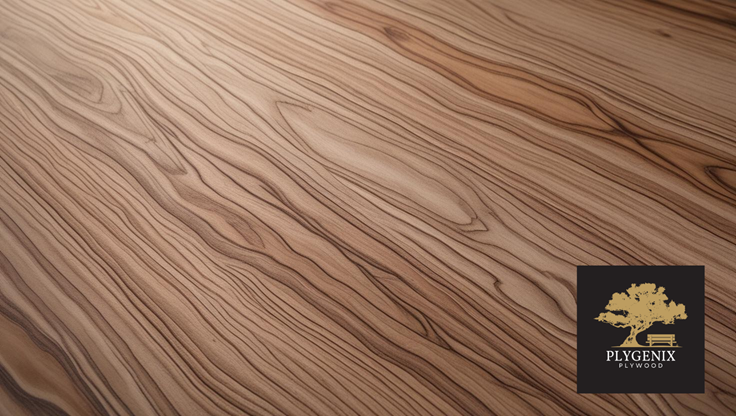
Veneer refers to thin slices of natural wood, usually less than 3mm thick, that are glued onto core panels such as plywood, MDF (medium-density fiberboard), or particleboard. This technique allows you to achieve the look and feel of solid wood while using less actual timber, making it a more eco-friendly and cost-effective solution.
Types of Veneer
There are several types of veneer, each offering different visual and functional characteristics:
1. Natural Veneer
Natural veneer is made from real wood logs, carefully sliced to preserve the grain pattern. Each piece is unique, showcasing the wood’s natural variations in color and texture.
2. Reconstituted or Engineered Veneer
This type is made by dyeing and gluing together layers of fast-growing wood, then slicing them to mimic the look of more expensive hardwoods. It's more uniform in appearance and often more affordable.
3. Paper-Backed Veneer
A thin layer of wood is backed with paper to make it more flexible and easier to work with, especially on curved surfaces.
4. Phenolic-Backed Veneer
Used primarily in commercial settings, this type is more durable and moisture-resistant due to its synthetic backing.
Why Choose Veneer Over Solid Wood?
1. Cost-Effective
Solid hardwood can be expensive, especially for exotic species. Veneer allows you to enjoy the aesthetics of premium wood at a lower cost.
2. Environmentally Friendly
Using thin slices of wood means more surface area can be covered with less raw material, helping conserve valuable timber resources.
3. Versatile Design Options
Veneer comes in various finishes, grains, and colors, giving you endless design possibilities. From sleek modern styles to classic wood tones, there’s something for every taste.
4. Stability
Veneered surfaces are typically more stable than solid wood, as they are less prone to warping or splitting due to changes in humidity or temperature.
Common Applications of Veneer
Veneer is widely used across different sectors due to its beauty and practicality:
Furniture Making: From dining tables to dressers, veneer gives a refined look to furniture without the weight and cost of solid wood.
Interior Walls & Ceilings: Decorative wood veneer panels add warmth and texture to interiors.
Cabinetry: Kitchen and bathroom cabinets are often veneered for a polished appearance.
Doors: Veneer doors are lighter and more affordable while still providing a high-end finish.
Caring for Veneered Surfaces
Although veneer is durable, it does require proper care:
Clean gently with a soft cloth and mild soap solution.
Avoid excessive moisture, as it can weaken the adhesive beneath.
Use coasters and mats to prevent scratches or heat damage.
Polish periodically with products designed for wood veneer to maintain its shine and texture.
Veneer vs. Laminate: What’s the Difference?
While both veneer and laminate are used to cover surfaces, they are fundamentally different:
Veneer is made from real wood, offering a natural look and texture.
Laminate is a synthetic material made from plastic resins and paper, offering more durability but less authenticity in appearance.
If you want the look and feel of real wood, veneer is the superior option. If you're more concerned about durability and budget, laminate might be more suitable.
Conclusion
Veneer is a smart, sustainable, and stylish alternative to solid wood. It brings together the best of both worlds - natural beauty and modern efficiency. Whether you're designing custom furniture, upgrading your kitchen, or planning a home renovation, veneer offers a high-end finish without stretching your budget.
Plygenix is a trusted all-India supplier of premium Plywood, Laminates, Veneers, Doors, MDF, and Blockboard, serving industries, builders, architects, and retailers nationwide.
Whether it’s for interiors, furniture, or construction, Plygenix guarantees timely delivery and unmatched service across India. Choose Plygenix for excellence in engineered wood products - where quality meets trust in every layer.
Get Quote
© 2025. All rights reserved. Plygenix
About us